humpbackwhale

Giants in Our Seas

Whales have always been an interest of humanity, being the basis of mythological leviathans or the fears that people hold for the oceans. Either way, it is clear that whales are distinctly unique for their characteristics that could have only happened because of their limitless environment that is the ocean. An obvious extension of this fact is that since the ocean covered our Earth millions of years ago, it becomes reasonable to think that the whales we see today may pale in comparison to the whales that swam in those prehistoric eras. Nevertheless, we should still be grateful that they still are around today as their numbers continue to dwindle due to unnecessary human interaction.

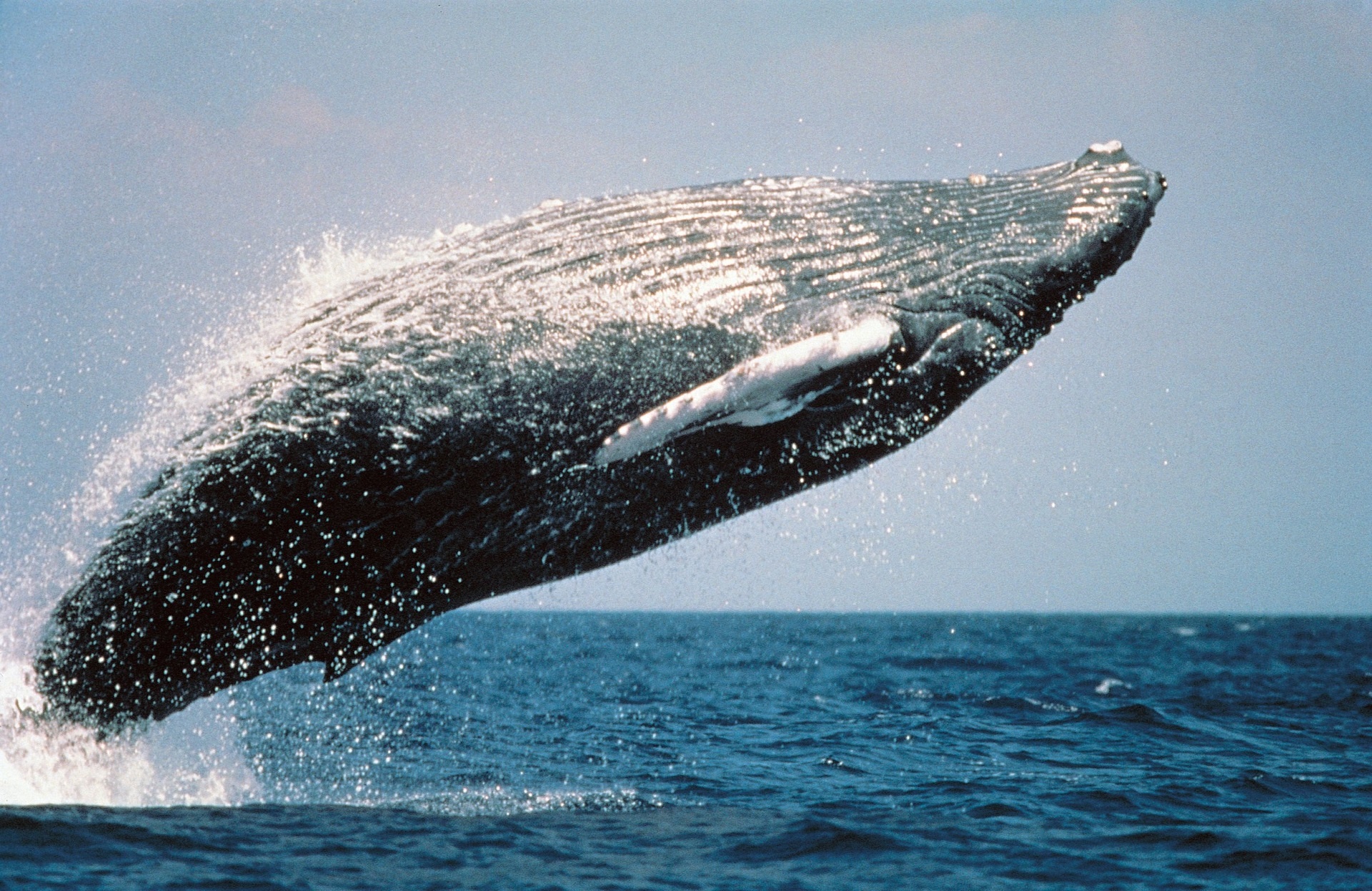
Whales exist as some of our most interesting sea creatures with them being the focus of many accomplishments of nature. It isn't fair to find them interesting just because of that however, as they being mammals may already be a surprise to most who thought they were simply fish. Since they give live birth, they fall under the classification of a mammal along with the missing presence of gills with them instead using air through frequent breaches as pictured below. Amongst their species exist the largest, loudest, and oldest mammals in the animal kingdom with each of them being described in their respective pages.
bluewhale

Largest of them All

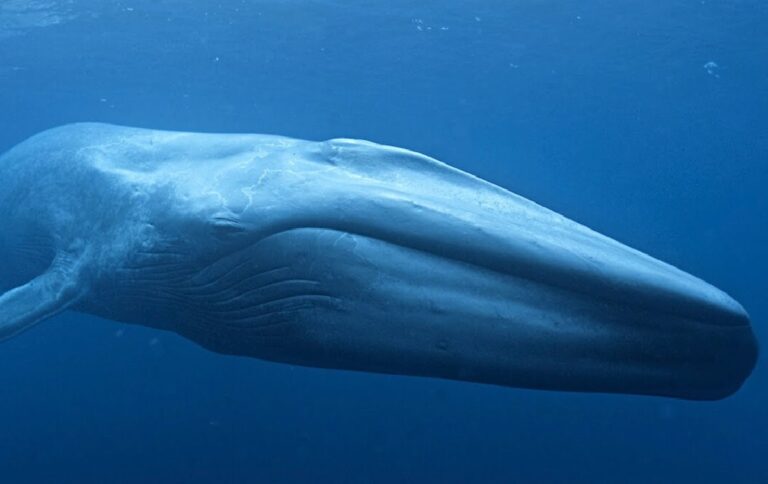
Blue whales are a fascinating animal mainly due to their size. This really is only a feasible way for them to live because of the expanse of the ocean allowing for them to have the room to exist. This comes at a cost at their ability to dive being much lower compared to other species such as the Sperm whale, but this is not too hindering as their diet does not require the ability to handle crush depths. They are a filter feeder which means they feed on krill and algae on the surface using their large brush-like teeth.

Blue whales are a considerably popular whale as shown with a full-size model that can be seen at the Museum of Natural History in New York City. This may be due to them being almost cliche in their whale figure as instead of having extremely thick and rounded blubber, they have a slender appearance with distinct creases and a extremely navy/marine blue from which they get their name from. Their tails also exist as some of the widest of whales being a sight for those who are lucky to see it peek through the waters as they swim through the currents.

spermwhale

Loudest of them All

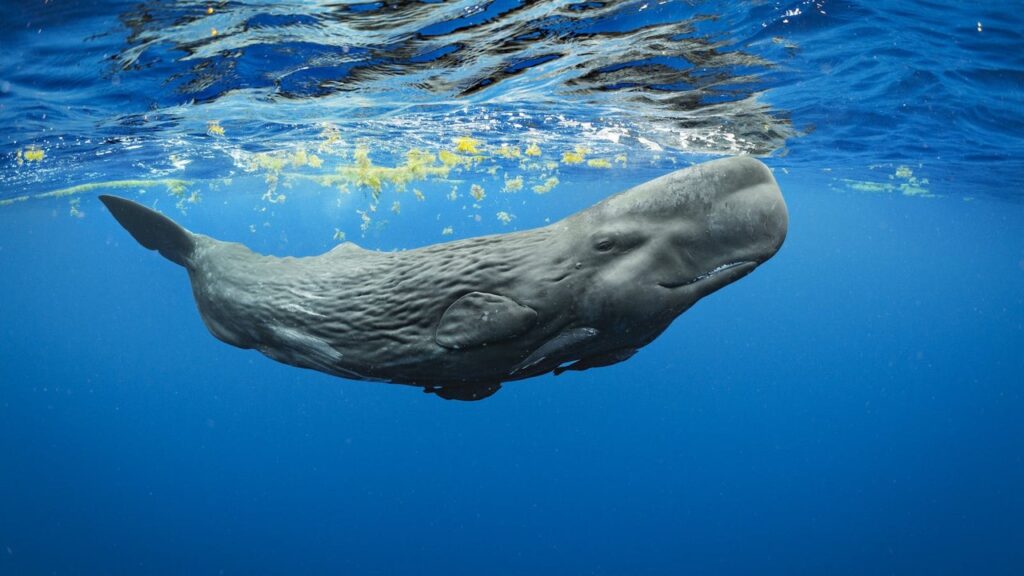
Sperm whales are an extremely succesful whale species as they boast some of the best skills that a whale could possess. They are known for their extreme diving depths being able to submerge nearly 10,000 feet deep to areas in which even light can't pierce. The reasoning behind this ability is for them to be able to hunt their main form of sustenance: giant squid. Being one of the few whale species which actively hunt other large sea creatures makes them almost fantastical in the sense of their place in the food chain. It is rare for two seemingly apex predators to see each other as food as this can be paradoxical due to how energy moves through the chain itself.

Beyond their hunting skills, Sperm whales also possess the ability to execute extremely loud and long calls that can be heard miles away in water. This is an intense feat as water acts as a natural barrier for most noise, which can make people wonder what their call would sound like if it were above water. Their call may exist to be this loud for them to communicate from deep below to other sperm whales for either the purpose of mating or for assistance if their battle has not gone their way. A slight caution, the audio file is fairly loud so you should lower your volume if it is too loud.

Downloaded from DeadSounds.com

bowheadwhale

Oldest of them All

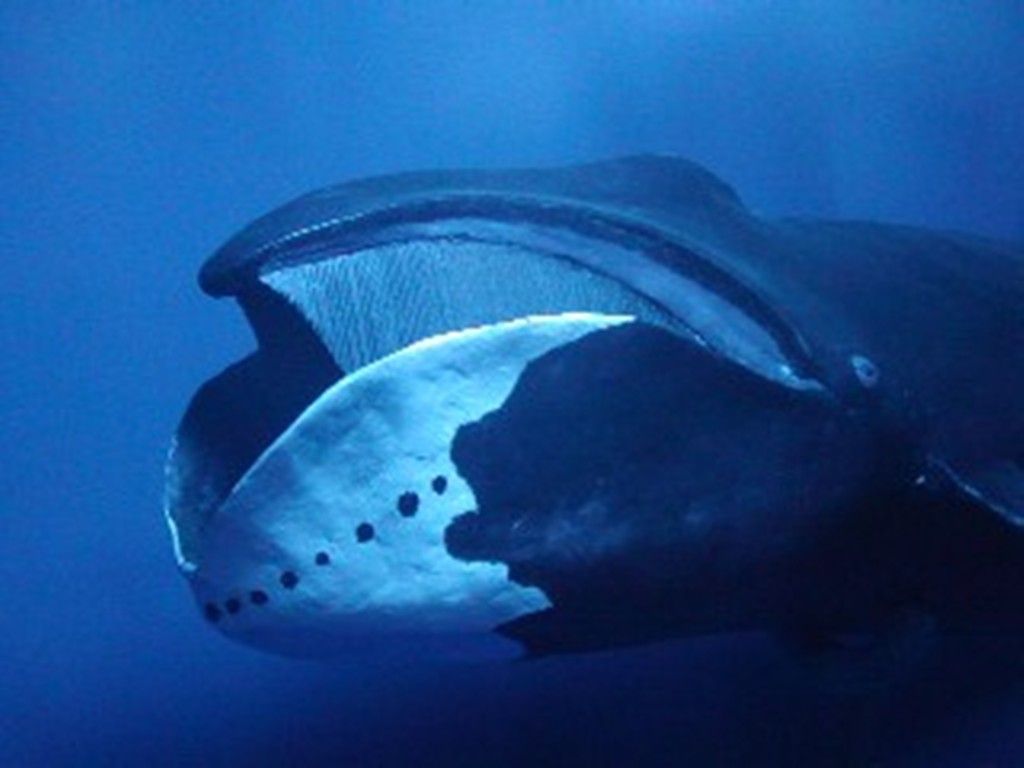
Bowhead whales are a rare sight for most of the coastal populations of the world as they only exist in the northern oceans of Greenland and the North Pole. Their primary environment then is icy water with it sometimes shifting further south if the ice begins to flow towards south. They exist as some of the oldest whale species on our Earth in age, with some members being around and even over 200 years old, almost doubling the age of a majority of whale species. This makes it especially tragic that their numbers have begun to dwindle due to the shrinking of their natural habitat in recent years, which may lead to a shortening of their average lifespan.

Similarly to Blue whales, Bowhead whales feed on krill and other types of plankton found in the icy waters through their filter feeders, however they distinctly have a unique shaped head from which they get their name. Like a hammerhead shark, the head of a Bowhead whale curves intensely forming an almost battering ram shape that is primarily used to bash against and break ice in their way, which goes to show how icy their preferred environment can be. This head facilitates almost half of their body which makes it a well invested evolutionary trait of the species.